Lanmine 41: 10G Party

The Original Plan
Originally, We had designed a comprehensive infrastructure stack for Lanmine 41 built on Proxmox and Kubernetes. The architecture was ambitious and fully featured, with automation, monitoring, and all the bells and whistles you’d expect from a production-ready infrastructure.
You can check out the original planned infrastructure code at github.com/Lanmine/lanmine_tech/tree/main/lanmine_41.
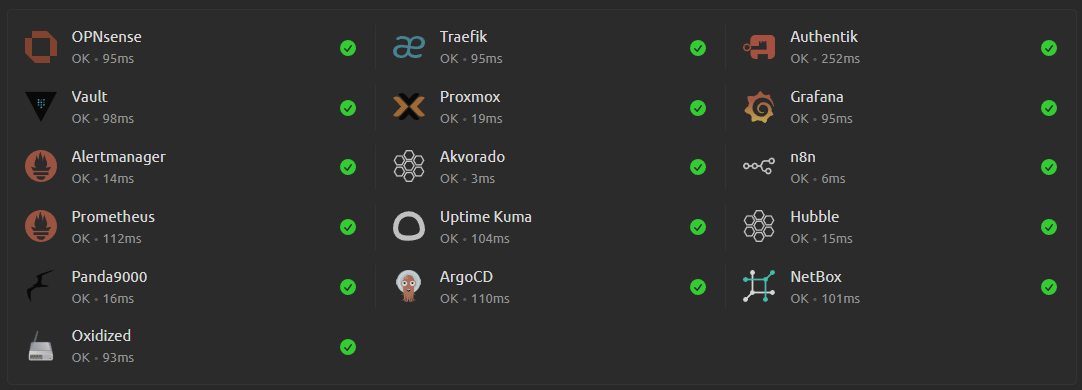
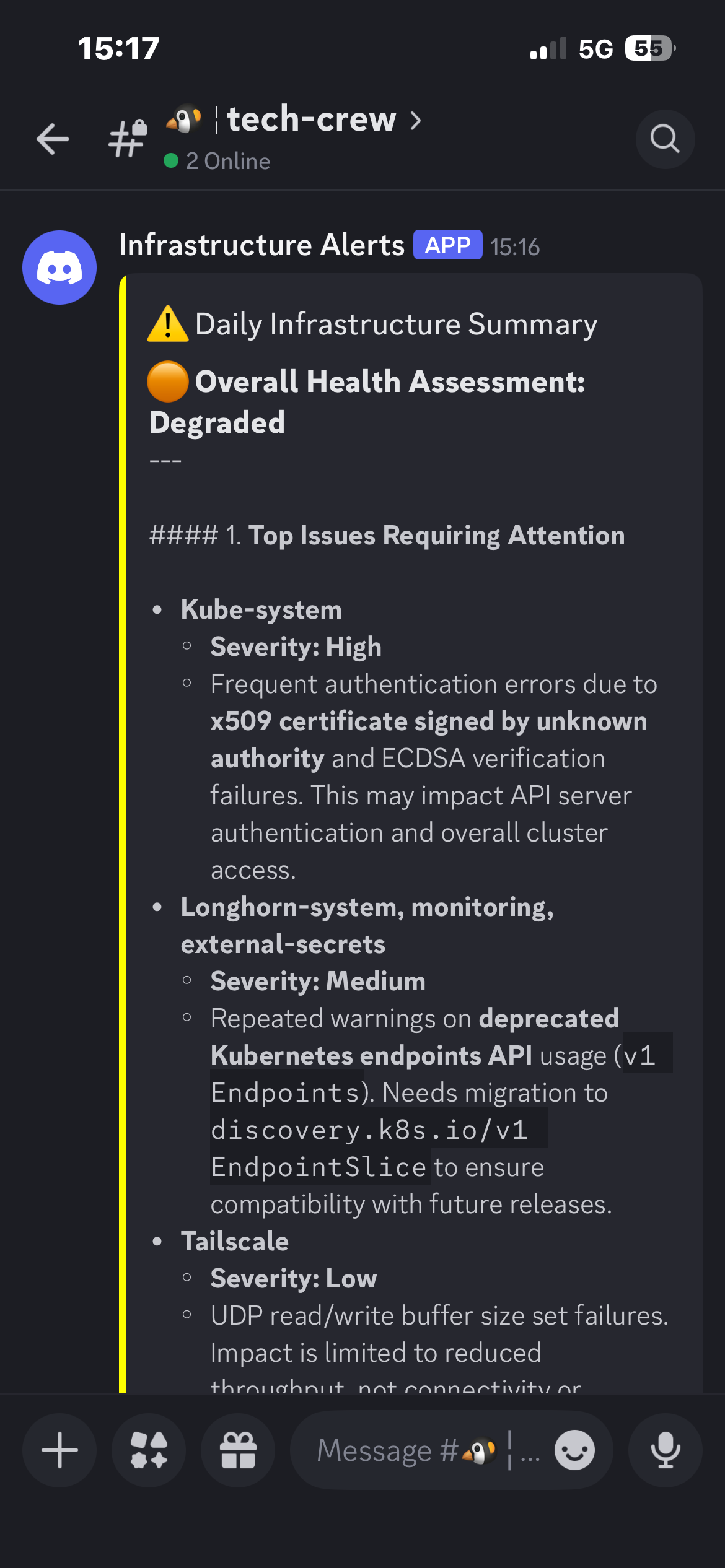
Reality Check: Simplicity Wins
In the end, we chose not to use the Proxmox/Kubernetes stack this time. The deciding factors were:
- Complexity: The overhead of managing a full Kubernetes cluster for a LAN party
- Time constraints: We needed to get the network up and running quickly
Sometimes the best solution is the simplest one that works reliably.
What We Actually Built
Instead of the complex virtualized infrastructure, we went with a straightforward network design:
Network Architecture
Gateway/Router:
- Cisco Nexus 92160 as Layer 3 switch/gateway
- Direct connection to our ISP
- Basic access lists to protect the public /24 network routed to LAN participants
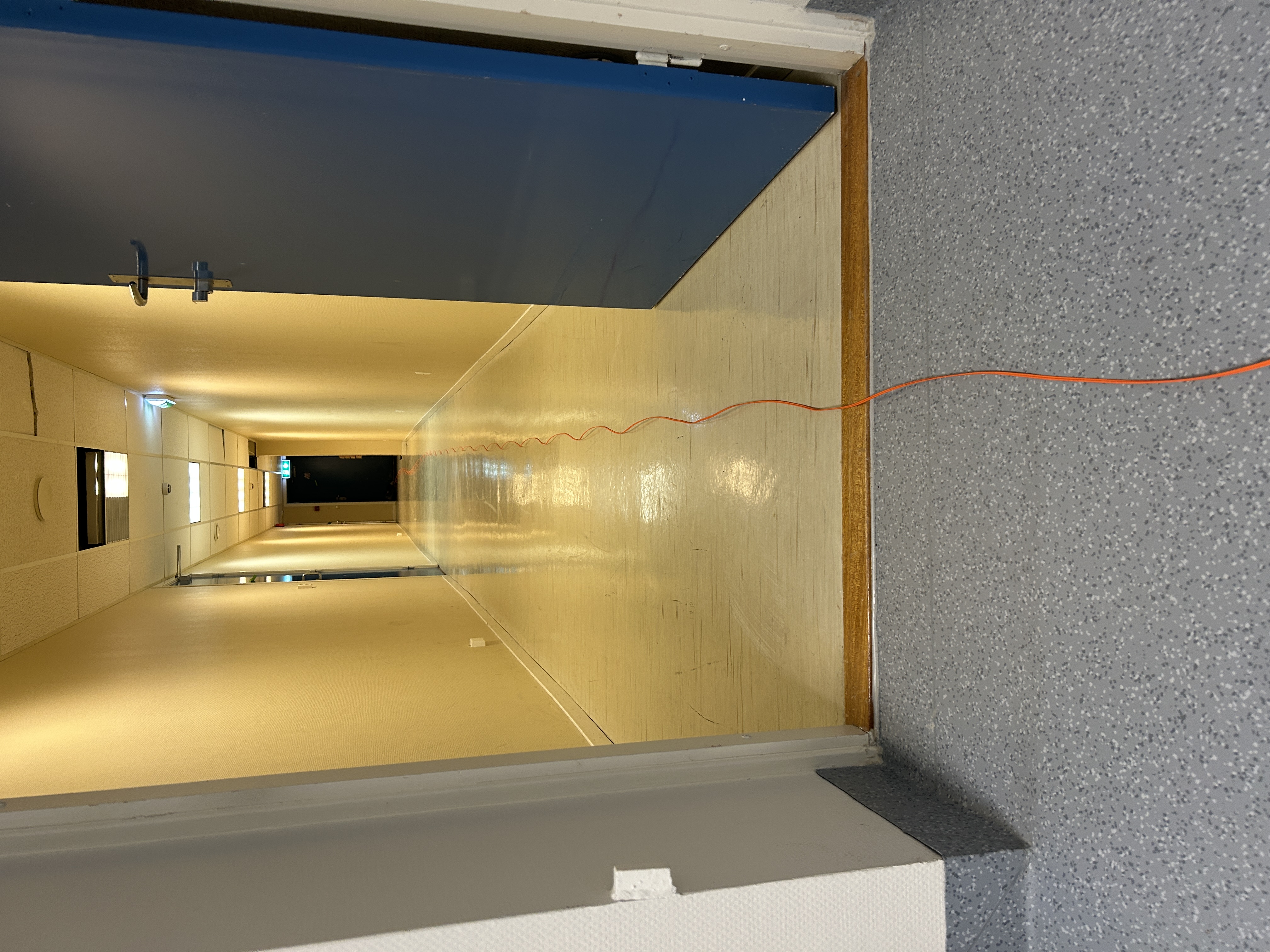
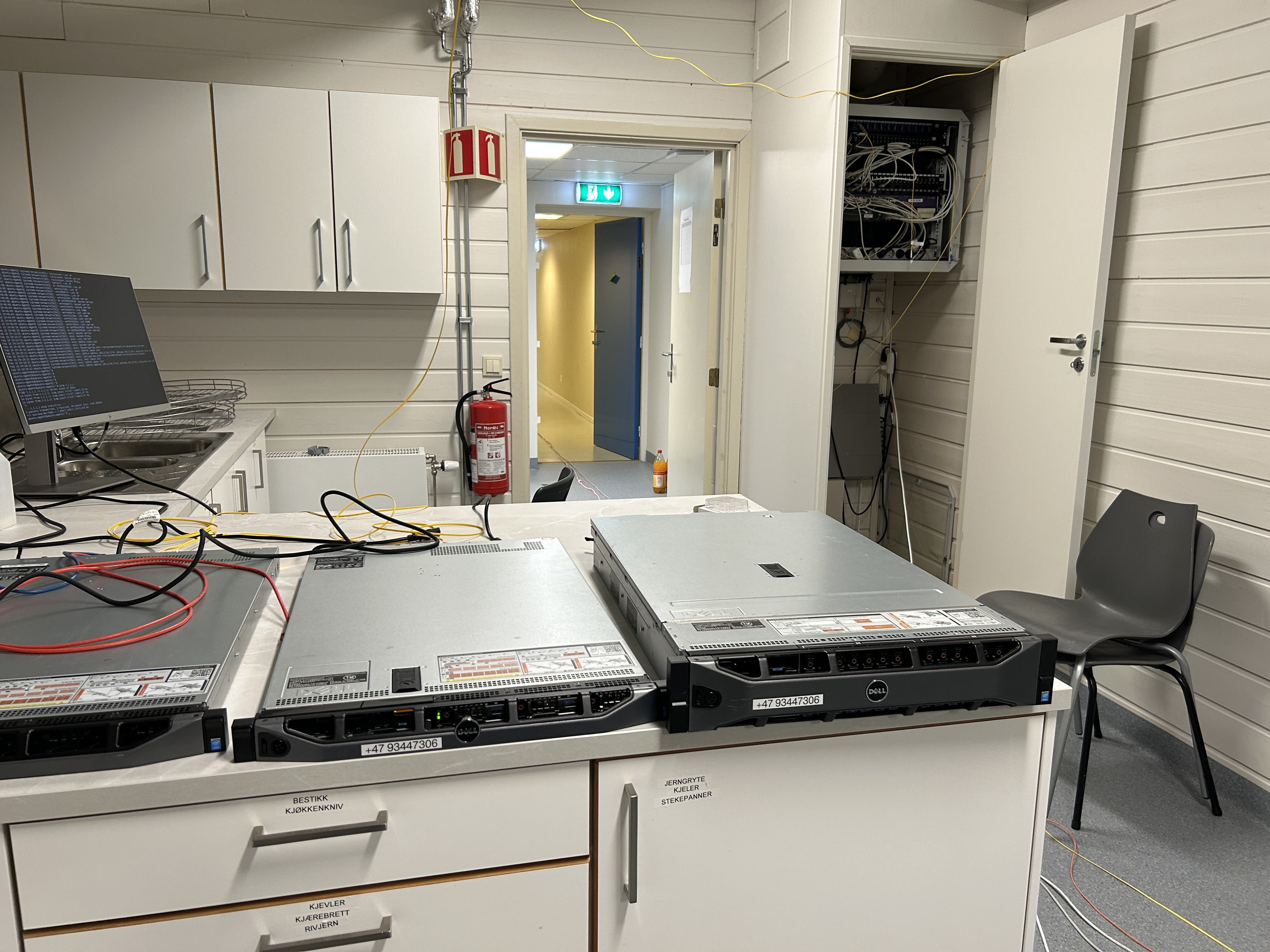
Core Network:
- Another Nexus 92160 as the core switch
- Connected directly from the gateway
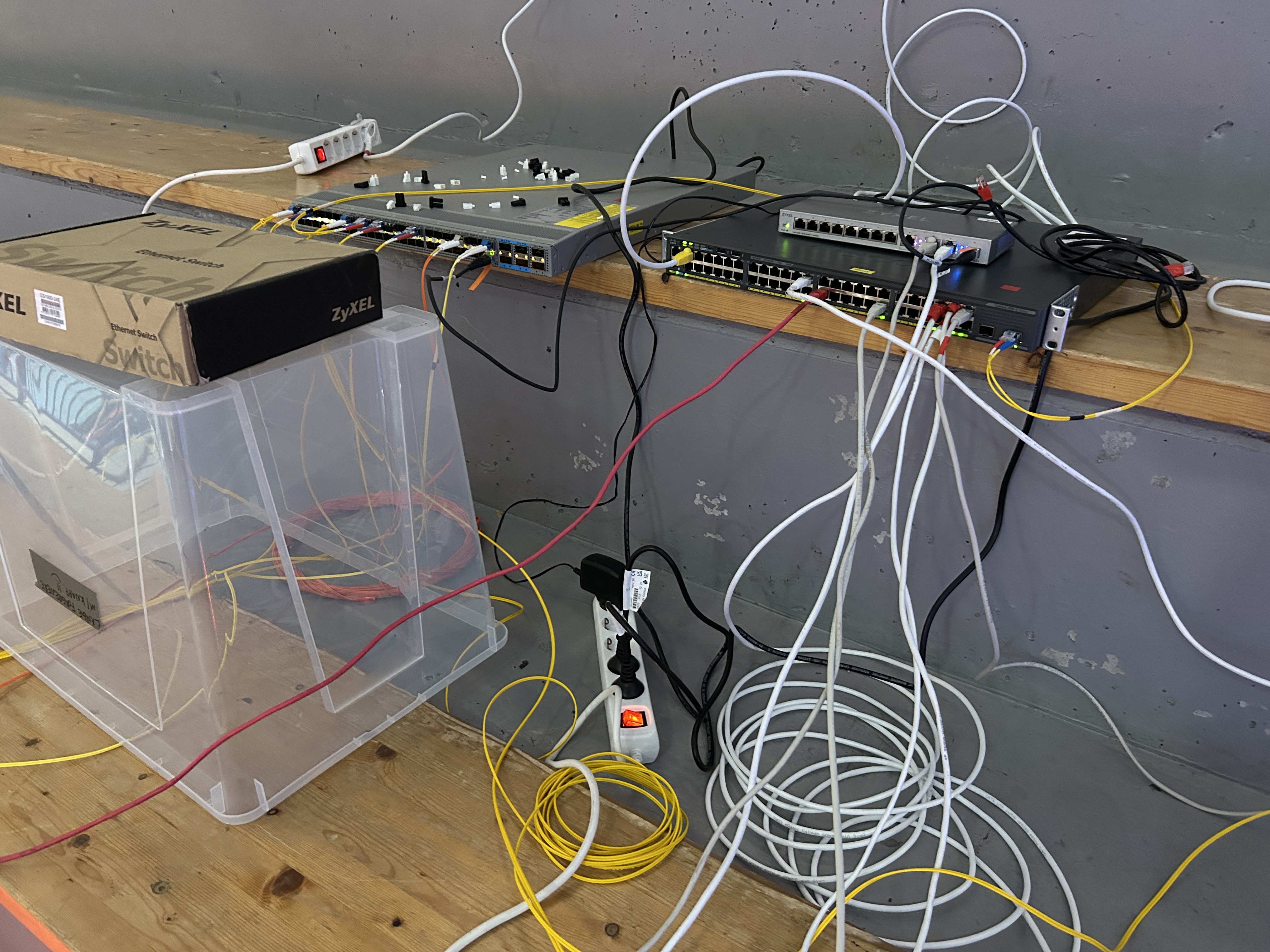
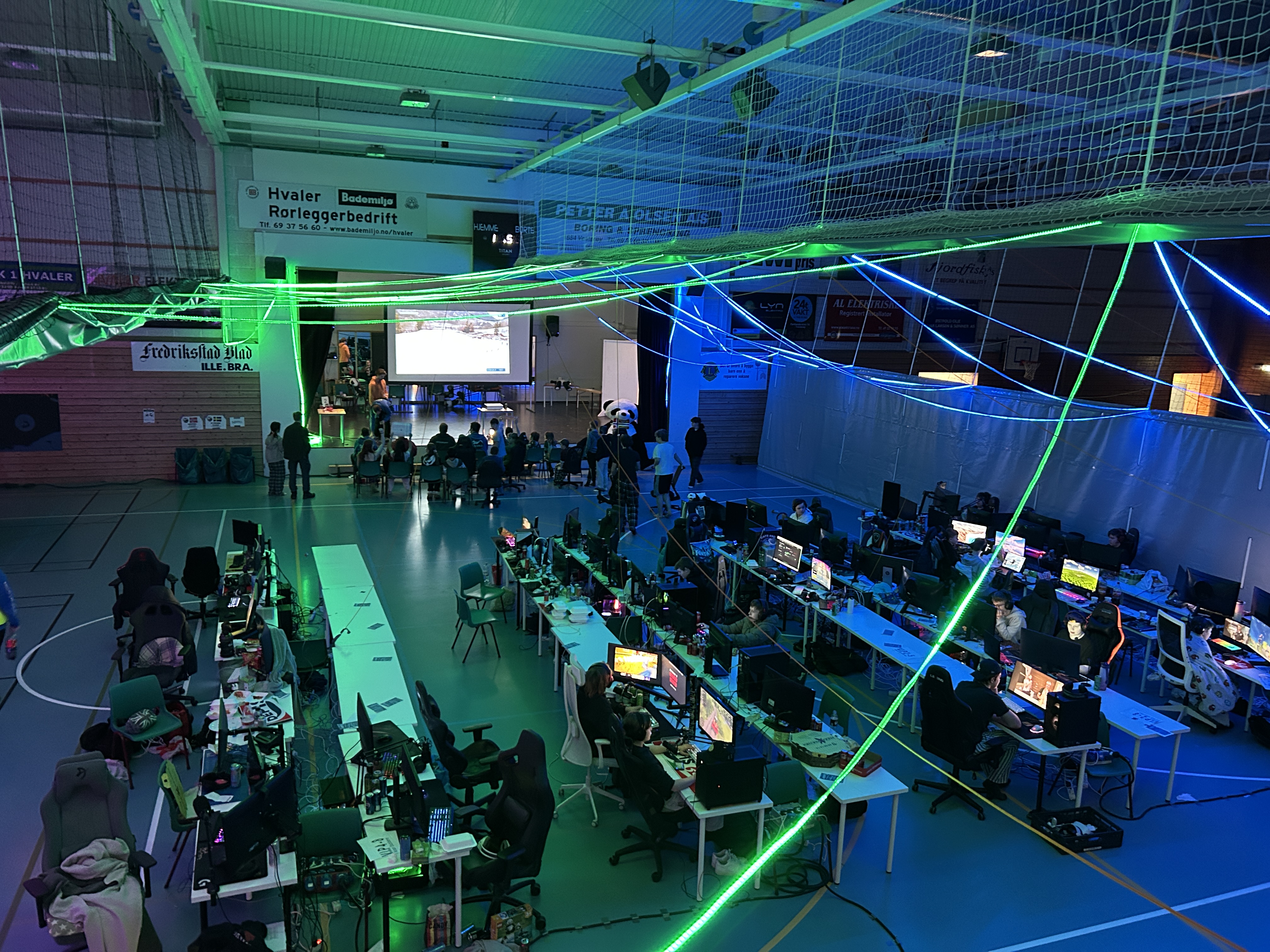
Edge Network:
- 10G-capable Catalyst 2960X switches as edge switches
- Star topology for easy management and troubleshooting
Monitoring Setup
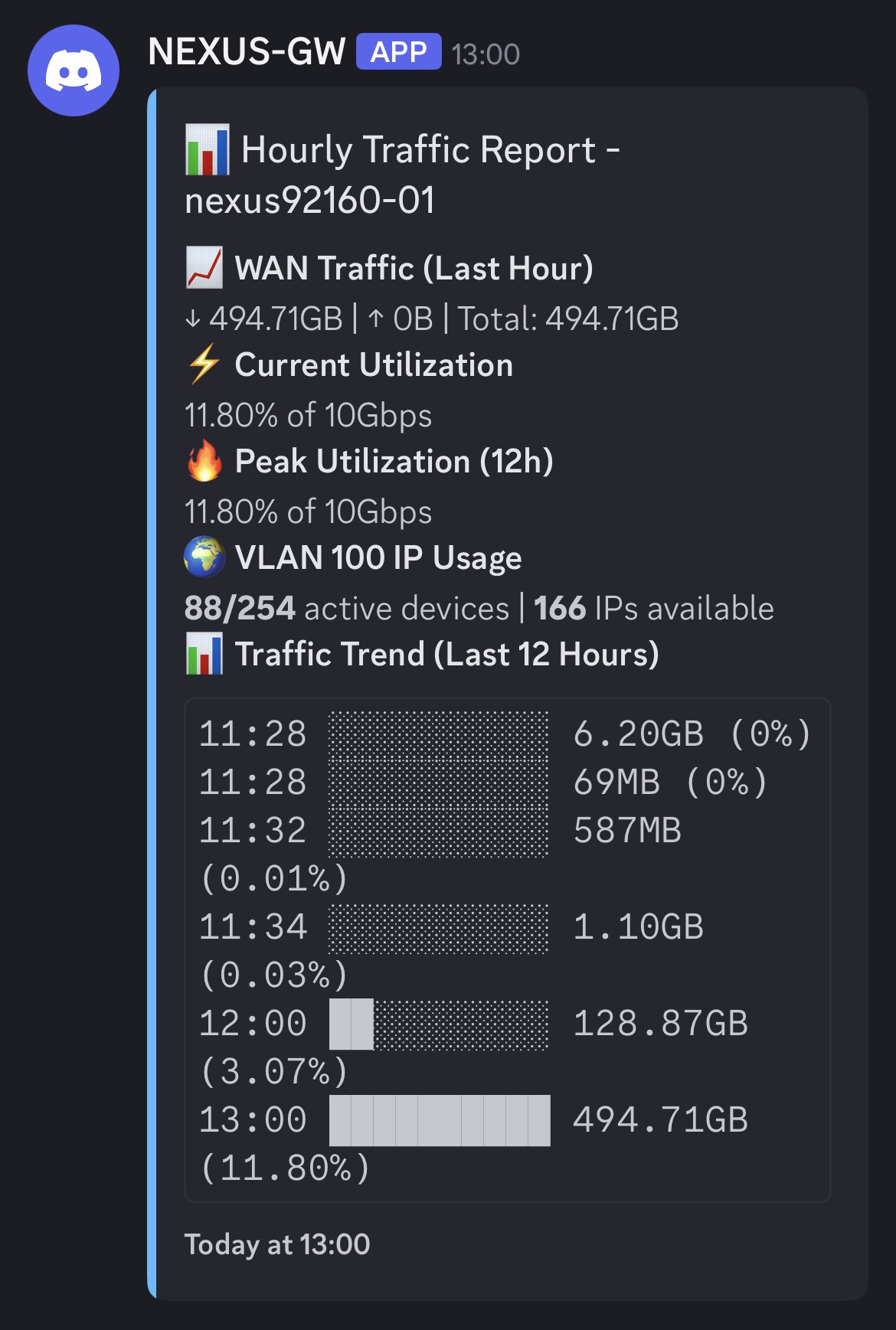
We set up basic monitoring from the gateway using:
- Discord webhook for alerts
- SNMP monitoring for network stats
Speed test
Future Plans
Looking ahead to future events, we have some key goals:
Redundancy
- Implement dual core switches for high availability
- No more single points of failure
Out-of-Band Management
I’m planning to experiment with:
- Opengear for console server access
- Tailscale for secure remote connectivity
- Goal: Maximum out-of-band connection options for troubleshooting
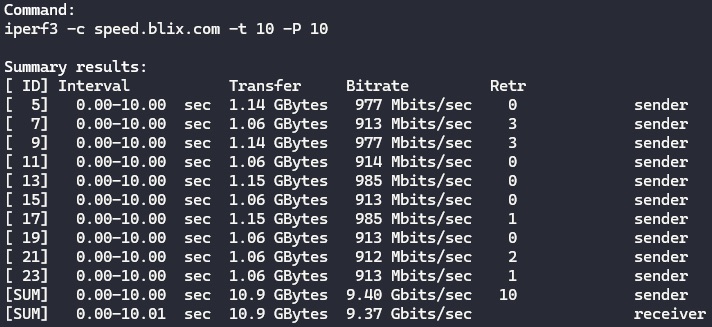
All in all, it was a great event. Our 10G connection ran smoothly throughout.